
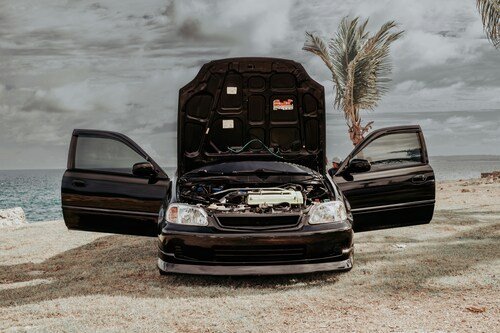
There is a special kind of frustration that comes with turning the key, hearing a weak click, and realizing the car will not start. It can happen in a quiet driveway before sunrise, in a crowded parking lot after a long shift, or on a freezing morning when you already feel behind. In those moments, technology stops feeling abstract. It becomes personal. That is exactly why car battery chargers matter so much. They are not just devices tucked away on a garage shelf. They are quiet problem-solvers, protectors of mobility, and small but powerful tools helping you stay in control of your day.
As vehicles become more advanced, the role of battery care is growing right alongside them. Modern cars rely on batteries for far more than starting the engine. They support sensors, security systems, onboard computers, entertainment features, and, in many cases, a growing list of energy-hungry components. When the battery weakens, the whole driving experience feels fragile. A reliable charging solution brings confidence back.
Why a Battery Charger Matters More Than Ever
A battery charger does far more than rescue a dead battery. It helps maintain battery health, supports longer lifespan, and reduces the chance of inconvenient breakdowns. That makes it a practical investment, but also an emotional one. You are not just buying a machine. You are buying peace of mind.
Think about the way many cars sit unused for stretches of time. Seasonal vehicles, family cars reserved for weekends, or even a daily commuter parked during travel can slowly lose charge. The drain is gradual, almost invisible, until one day the engine refuses to respond. In situations like these, charging equipment becomes essential.
There is a simple lesson hidden here. We often wait until something fails before giving it attention. A car battery reminds you that prevention is kinder than repair. This is where regular charging support changes the game.
Understanding the Role of a Trickle Charger
A trickle charger is designed to deliver a low, steady charge over time, making it especially useful for batteries that are not used regularly. Instead of flooding the battery with power, it gently keeps energy levels stable. That steady approach can be incredibly valuable for preserving battery condition during storage or long idle periods.
For many drivers, this becomes a routine form of care. Rather than scrambling for jumper cables in a stressful moment, you create conditions that help avoid the crisis altogether. There is something deeply reassuring about that. Preparation may not feel dramatic, but it saves you from drama later.
A neighbor once joked about how local programs tried to subsidize home energy upgrades, yet people still hesitated to act until trouble showed up at the door. The same logic applies here. Even when solutions are accessible, many wait until they are stranded. That small story carries a larger truth: support only helps if you use it before the problem grows teeth.
How Chargers Support Battery Life and Reliability
Battery performance is shaped by weather, usage habits, and time. Extreme cold slows chemical reactions inside the battery. Intense heat can accelerate wear and fluid loss. Short trips may not allow enough time for the alternator to fully recharge the battery after startup. Layer enough of these habits together, and even a newer battery can struggle.
Something that helps counter these pressures is a quality battery-charger by restoring proper charge levels and supporting healthier battery function. For drivers, that means fewer emergencies, better reliability, and less waste. Replacing batteries too often is expensive and frustrating. Maintenance is usually the smarter path.
There is also a growing financial angle. Battery care is no longer just about convenience. It is about protecting your investment in a vehicle that likely contains increasingly sophisticated electronics. If you care about value, then battery maintenance deserves a place in your routine.
Choosing Between Standard Charging and Maintenance Charging
Not every charging situation is the same. Some drivers need a fast recovery when a battery is deeply discharged. Others need ongoing maintenance for vehicles that spend long periods parked. Understanding the difference matters.
A battery charger is often best when the battery needs a stronger, more direct recharge. It is useful after leaving lights on, dealing with a period of inactivity, or recovering from a weak start. A trickle charger, by contrast, is more about preservation than rescue. It helps sustain charge rather than dramatically rebuild it.
That distinction can save time, money, and wear on the battery itself. It can also help you choose the right tool with confidence instead of confusion. And confidence matters. When car troubles strike, uncertainty tends to multiply stress.
There was a young student once who developed an interest in restoring an old coupe inherited from a grandparent. At first, the engine work seemed glamorous, the paint exciting, the chrome unforgettable. But the real breakthrough came when the student learned battery maintenance. Suddenly the car started consistently, and the whole project felt alive. That little spark of interest became the bridge between admiration and responsibility.
The Hidden Emotional Value of Staying Ready
Cars represent freedom. They carry you to work, to family dinners, to road trips, to medical appointments, to moments that shape a life. When a vehicle fails, the disruption is not merely mechanical. It can feel deeply personal, even unsettling. A charger helps defend against that vulnerable feeling.
Preparedness has emotional weight. It eases the dread of winter mornings. It softens the panic of unexpected delays. It gives you a stronger sense that your vehicle is ready when life asks something urgent of you.
An odd but memorable image comes to mind with the word exuvial, which refers to something shed, like an outer layer left behind. A hiker once described finding an exuvial shell clinging to a tree while heading back to a car that had been sitting for weeks. The shell became a symbol of what was left behind: old habits, neglect, and the idea that maintenance could always wait. Back at the trailhead, a properly charged battery meant no stranded ending to the day. Sometimes growth really does look like shedding carelessness.
Looking Ahead as Vehicles Evolve
As automotive technology continues to advance, charging tools will only become more relevant. Smarter systems, more electronics, and changing driving habits all increase the importance of battery management. Whether you drive a compact car, a family SUV, a classic collectible, or a backup vehicle that spends long periods idle, charging support is becoming part of responsible ownership.
The future of driving is not powered by engines alone. It is sustained by the smaller systems working faithfully in the background. Battery chargers belong to that quiet foundation. They protect reliability, reduce stress, and help keep daily life moving when it matters most.
Power on the road starts long before the wheels turn. When you care for the battery, you care for everything the vehicle makes possible. And that simple act of preparation can feel surprisingly powerful.